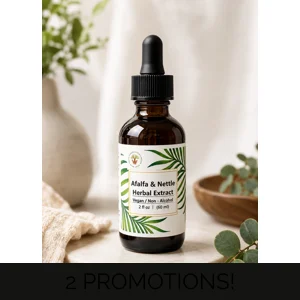
Alfalfa & Nettle Herbal Extract
$21.99
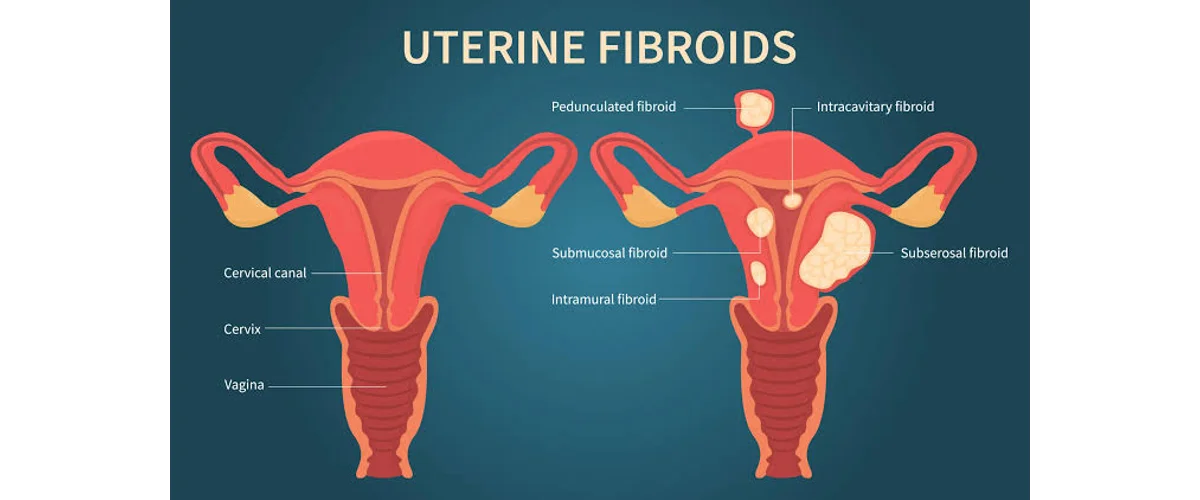
Uterine fibroids are one of the most common health concerns affecting women, especially during their reproductive years. Although hearing the word “tumor” can be frightening, it’s important to know that fibroids are almost always noncancerous (benign) growths made up of muscle and fibrous tissue that develop within or on the uterus.
Many women have fibroids without ever knowing it because they may not cause symptoms. However, for others, fibroids can have a significant impact on their quality of life.
Common Symptoms of Fibroids
Depending on their size, number, and location, fibroids may cause:
Some women develop only one fibroid, while others may have multiple fibroids.
The Estrogen Connection
Although the exact cause of fibroids remains unknown, research has shown that high estrogen levels appear to stimulate their growth.
Fibroids often:
This strong relationship between estrogen and fibroid growth suggests that maintaining healthy hormone balance may play an important role in overall uterine health.
Other Factors That May Increase Risk
Several factors may increase the likelihood of developing fibroids, including:
Nearly half of all women develop fibroids by age 40, making them extremely common.
Can Fibroids Affect Fertility?
Yes. While many women with fibroids have healthy pregnancies, fibroids can sometimes interfere with fertility by:
During pregnancy, larger fibroids may increase the risk of miscarriage, preterm labor, abnormal positioning of the baby, difficult delivery, or excessive bleeding after childbirth.
Conventional Treatment Options
Treatment depends on the severity of symptoms and whether a woman wishes to preserve fertility.
Medical options may include:
Surgical options include:
Other minimally invasive procedures may also be available depending on the size and location of the fibroids.
A Holistic Perspective
While medical evaluation is essential for women experiencing severe symptoms, a holistic wellness approach may help support overall hormonal balance and reduce inflammation.
Many women also focus on lifestyle habits such as:
Although herbs are widely used in traditional wellness practices to support women’s health, more high-quality clinical research is needed to determine how effective they are for shrinking fibroids. They should not replace medical care, particularly for women with severe symptoms, anemia, or fertility concerns.
When to See Your Healthcare Provider
Seek medical evaluation if you experience:
Early diagnosis allows you and your healthcare provider to choose the treatment approach that best fits your health goals.
Final Thoughts
Fibroids are common, but they don’t have to control your life. Understanding the connection between hormones—especially estrogen—and fibroid growth empowers women to make informed decisions about their health. Whether you choose conventional treatment, lifestyle changes, or a combination of both, partnering with knowledgeable healthcare providers is the best path toward long-term wellness.
Nature’s Path Health & Wellness LLC believes in educating and empowering women to take charge of their reproductive health through informed choices, healthy living, and evidence-based natural wellness practices. Always consult your healthcare provider before beginning any new herbal or wellness regimen, especially if you have fibroids or other gynecological conditions.